















What is FIEP?
FIEP, the International Association of Gendarmeries and Police Forces with Military Status, is an international organization that brings together security forces from different countries that share a common institutional model: they have a military status, structure and discipline, while performing mainly police, public security and law enforcement duties.
The Association originated from the cooperation between gendarmerie-type forces from France, Italy, Spain and Portugal. Its name comes from the initials of those founding countries: France, Italy, Spain and Portugal. Over time, FIEP expanded beyond its original European and Mediterranean framework and became a wider international network of gendarmeries and police forces with military status.
FIEP is not a police force in itself, nor does it replace the national authority of its member institutions. Rather, it serves as a framework for professional cooperation, institutional dialogue, exchange of experience and the development of common approaches among forces that face similar operational, organizational and strategic challenges.
What is its purpose?
The main purpose of FIEP is to strengthen cooperation among its members, promote mutual trust and encourage the exchange of knowledge, experience and good practices.
Through this cooperation, the Association seeks to improve the professional capabilities of its member forces and to support reflection on modern forms of police cooperation. It also contributes to promoting the gendarmerie-type model abroad, especially as a security model that combines military organization with police and public security missions.
FIEP allows its members to compare institutional experiences, discuss common problems, identify practical solutions and develop shared responses to security challenges that increasingly affect countries across different regions of the world.
What areas does FIEP work on?
FIEP organizes its work around four main technical areas:
Human Resources
This area focuses on the development of personnel and institutional capabilities. It includes matters related to recruitment, training, professional education, career development and the exchange of instructors, students and specialists among member forces.
Its purpose is to strengthen the quality, preparation and professionalism of the personnel serving in gendarmerie-type and police forces with military status.
Service Organization
This area addresses issues related to the organization and execution of police and public security missions. It includes topics such as public order, internal security, border control, criminal investigation, police operations and the adaptation of institutional structures to new security needs.
It allows member forces to exchange operational experience and compare organizational models in order to improve the effectiveness of their services.
New Technologies and Logistics
This area deals with technological, logistical and operational support matters. It includes information technologies, communication systems, police equipment, mobility, transport and other resources required for modern security operations.
It also allows the member forces to analyze how new technologies can support operational effectiveness, institutional modernization and better decision-making.
International Affairs
This area focuses on international cooperation, institutional relations and joint work with other organizations. It includes the development of common projects, coordination among member forces and the strengthening of FIEP’s role as a global network of gendarmeries and police forces with military status.
Through this area, FIEP contributes to building stronger links between institutions that share similar responsibilities and operational environments.
How does FIEP work?
FIEP is organized around a Senior Council and four technical commissions.
The Senior Council is composed of the Directors General or Commanding Generals of the member forces. It meets annually and defines the general policy, priorities and work program of the Association.
Each year, one member force assumes the Presidency of FIEP. The Presidency is appointed on a rotating basis and is responsible for representing the Association, coordinating its initiatives and guiding the annual work cycle.
The technical commissions meet periodically and bring together experts from the member forces. Their role is to study specific topics, exchange experience and prepare proposals or conclusions that may later be submitted to the Senior Council.
At the end of each annual cycle, the results of the work carried out by the commissions are presented for consideration and approval by the Senior Council.
Who are the members of FIEP?
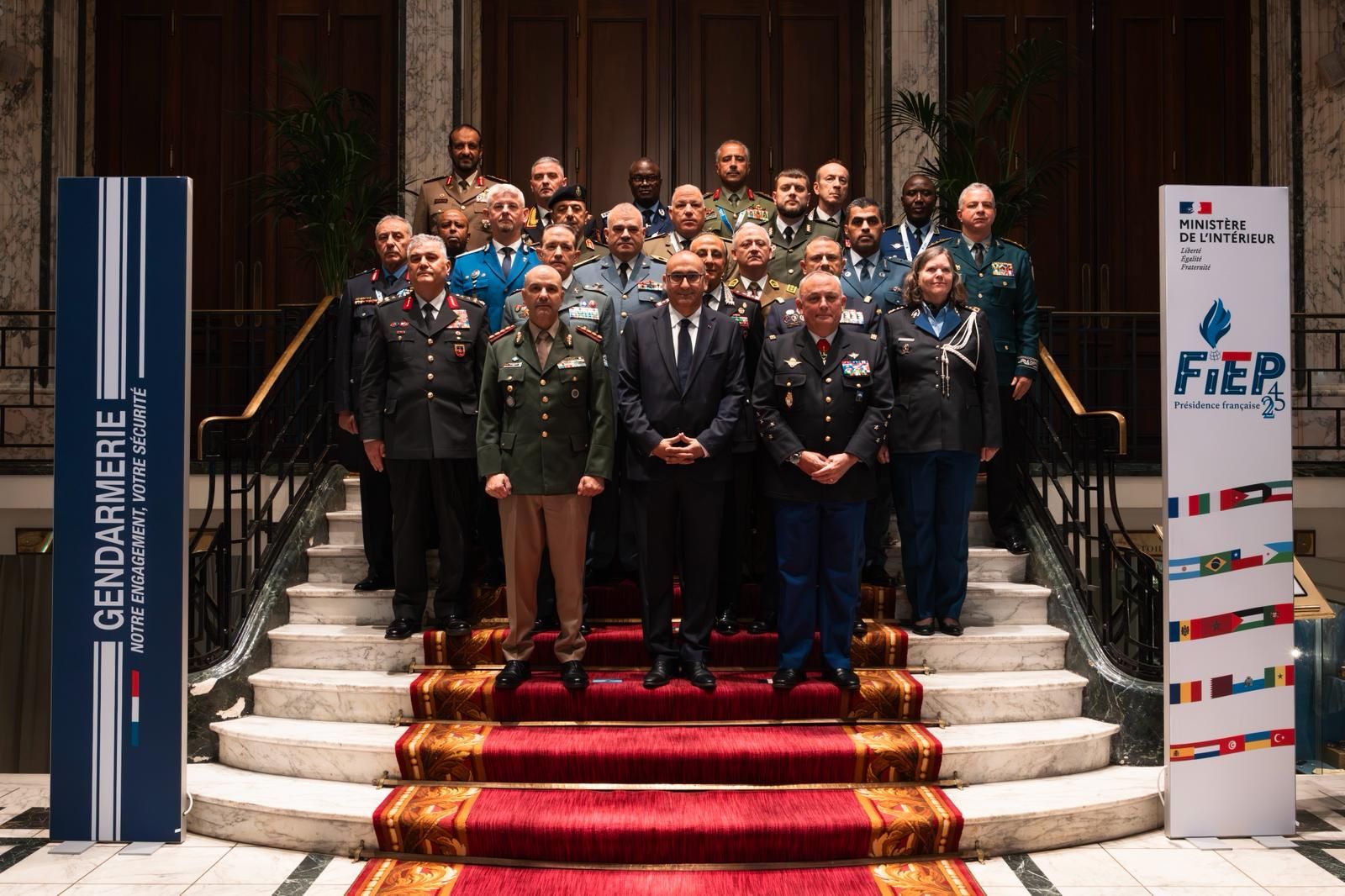
FIEP currently brings together gendarmeries and police forces with military status from Europe, America, Africa and the Middle East.
Permanent Members
Gendarmerie Nationale France
Arma dei Carabinieri Italy
Guardia Civil Spain
Guarda Nacional Republicana Portugal
Jandarma Türkiye
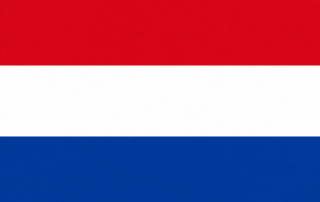
Koninklijke Marechaussee The Netherlands
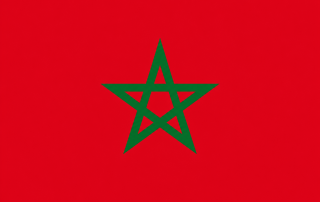
Gendarmerie Royale Morocco
Jandarmeria Română Romania
Gendarmería Nacional Argentina Argentina
Carabineros de Chile Chile
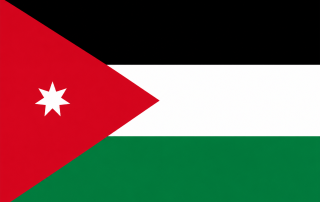
Jordanian Gendarmerie Forces Jordan
Lekhwiya / Internal Security Force Qatar
National Guard Tunisia
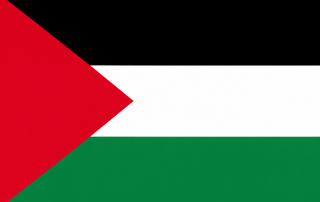
Palestinian National Security Forces Palestine
National Guard of Ukraine Ukraine
National Council of the General Commanders of the Military Police Brazil
National Gendarmerie Djibouti
National Guard Kuwait
National Gendarmerie Senegal
Corpo della Gendarmeria San Marino
General Inspectorate of Carabinieri Moldova
Observer Forces
Gendarmerie Nationale Congolaise – Republic of the Congo
National Guard – United Arab Emirates
In one sentence
FIEP is an international network of gendarmeries and police forces with military status that cooperate to share knowledge, strengthen institutional capabilities and jointly address the security challenges of the 21st century.