



















Welcome to the official website of FIEP, the International Association of Gendarmeries and Police Forces with Military Status.
FIEP brings together national gendarmeries, police forces with military status and affiliated corps that share similar institutional characteristics, operational responsibilities and public security missions. Its members belong to different countries and regions, but they are linked by a common model: forces organized under military status and discipline, while performing police, public order, security and law enforcement duties.
The Association was originally established through the cooperation of the forces of France, Italy, Spain and Portugal, whose initials gave rise to the name FIEP. Since then, it has progressively expanded its international scope, becoming a recognized framework for dialogue, professional exchange and cooperation among gendarmerie-type forces and police institutions with military status.
FIEP’s main purpose is to broaden and strengthen mutual relations among its members. It provides a space where institutions can share experience, compare practices, discuss common challenges and develop a deeper understanding of the different forms of police cooperation. Through this exchange, the Association contributes to improving institutional capabilities and promoting common approaches in areas of shared interest.
FIEP also seeks to promote an innovative and active reflection on modern security issues. In a constantly changing international environment, gendarmeries and police forces with military status face increasingly complex challenges, including public security, border control, organized crime, crisis management, technological transformation, training needs and international cooperation. FIEP allows its members to address these matters collectively, through dialogue, technical work and the exchange of professional knowledge.
Another important objective of the Association is to highlight the value of the gendarmerie-type model abroad. This model combines military organization, discipline and operational readiness with police responsibilities and public security missions. FIEP promotes this institutional identity as a relevant and effective contribution to national and international security.
The Association operates in accordance with international agreements and the national regulations of each member country. It does not replace the authority or responsibilities of its member institutions, but provides a platform for cooperation, coordination and mutual support. Its work is based on respect for national sovereignty, institutional diversity and the specific legal frameworks of each force.
FIEP facilitates the exchange of information, experience and good practices in several key areas, including training and recruitment, service organization, new technologies and logistics, and international affairs. These areas allow member forces to work together on practical issues, identify common priorities and strengthen professional ties.
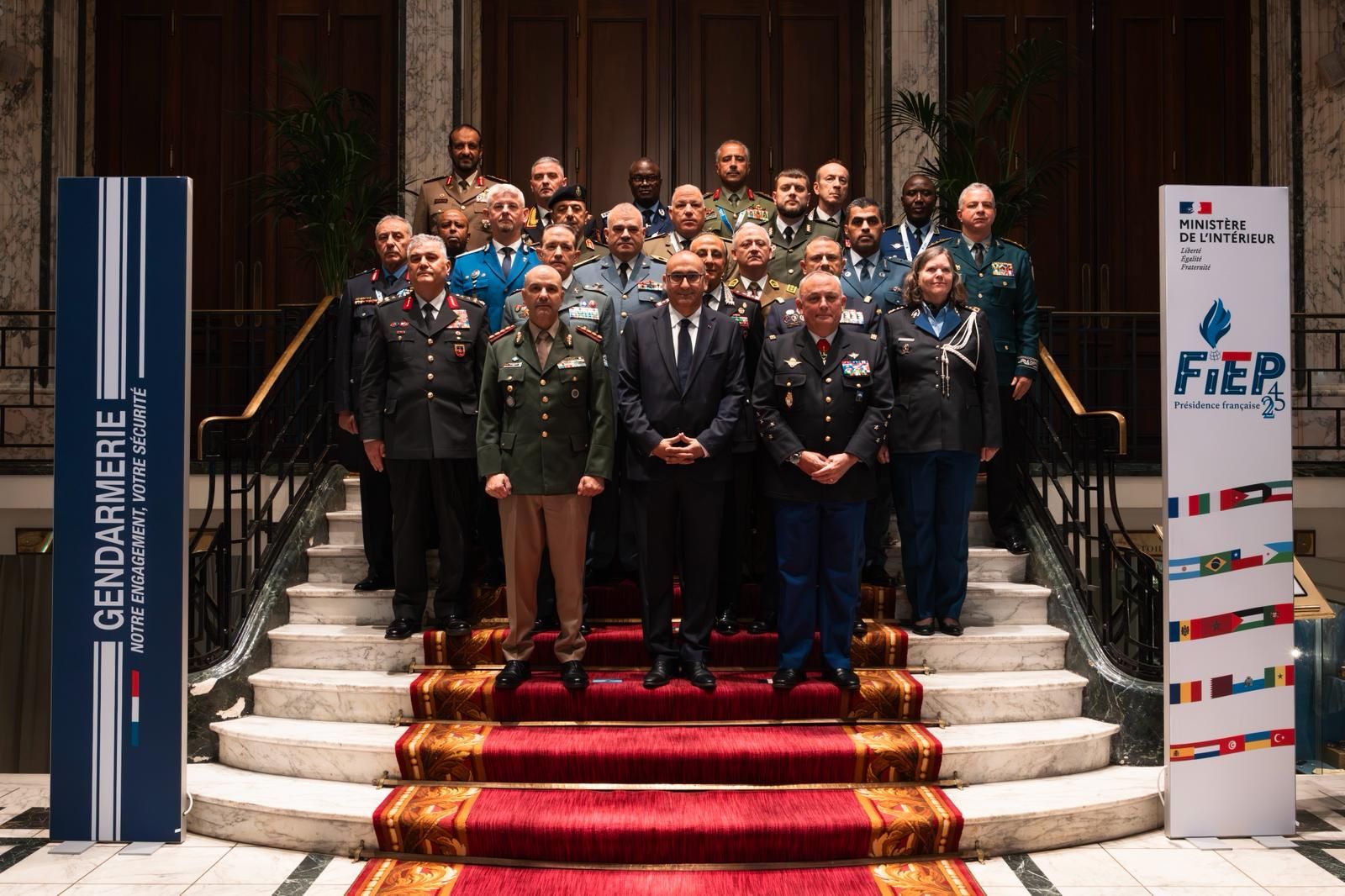
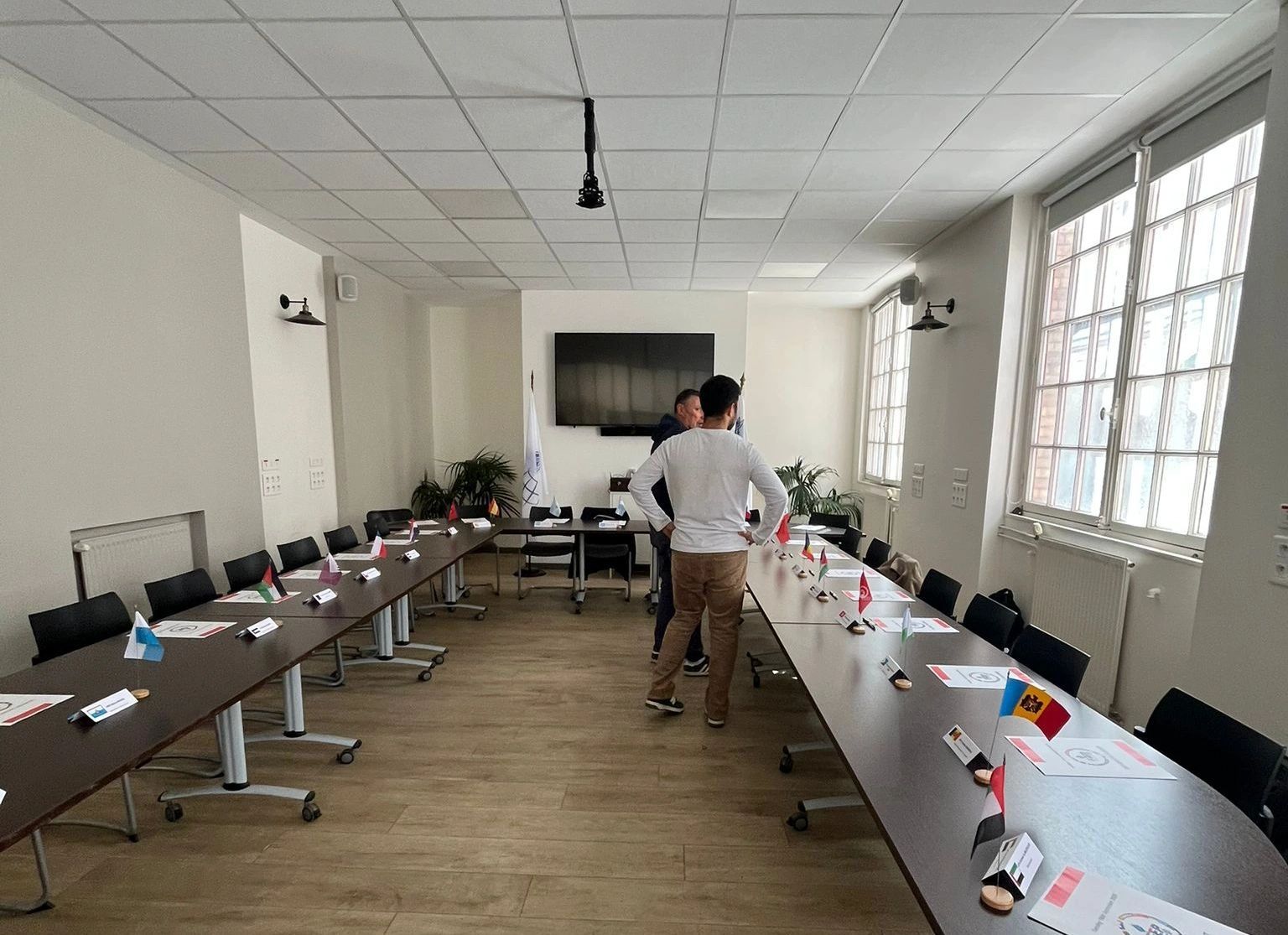
Through meetings, technical commissions, seminars and annual gatherings, FIEP encourages continuous cooperation among its members. These activities contribute to building trust, improving communication and developing a shared vision on the role of gendarmeries and police forces with military status in today’s security environment.
FIEP aims to be recognized as a distinct forum for police cooperation, capable of promoting concrete initiatives and supporting its members in the development of effective, modern and coordinated responses to common security challenges.
This website provides information about the Association, its history, its members, its organization, its activities and its areas of work. It also reflects FIEP’s commitment to cooperation, professionalism and the strengthening of ties among gendarmeries and police forces with military status around the world.
In summary
FIEP is an international framework for cooperation among gendarmeries and police forces with military status. It promotes dialogue, exchange of experience, institutional development and the recognition of a shared security model based on military organization and police responsibility.